Dance Integration Lessons
Choose a subject to find a lesson that integrates dance.
Dance & Math
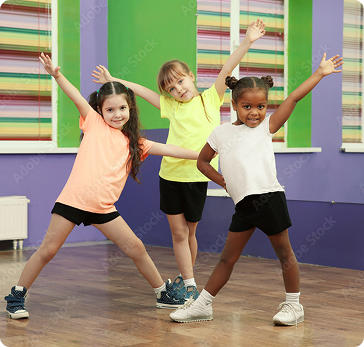
Counting to Ten with Dance
For example, in this lesson the teacher would:
- Assign each child a number 1-10
- Have students hop, skip, or jump around the room
- Call “Freeze!” and tell the students to strike a pose in the shape of their number using their arms and legs
- Select three different students and have the class guess which number they are representing
Hundreds of free lessons to get started today!
Top Lesson Plans
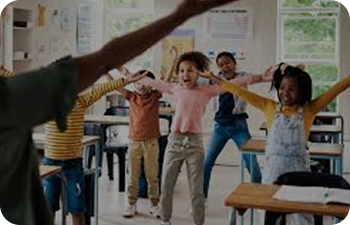

Why Dance?
"Before a child talks, they sing. Before they write, they draw. As soon as they stand, they dance. Art is fundamental to human expression."
—Phylicia Rasband
- Support physical development and a healthy lifestyle.
- Promote social-emotional health and maturity.
- Integrate kinesthetic learning with conceptual understanding.
- Provide children with multiple perspectives.
- Nurture cognitive development and academic engagement.
- Help children develop literacy.
- Encourage social interaction and cooperation.
- Foster critical thinking and creative problem-solving skills.
Elements of Dance
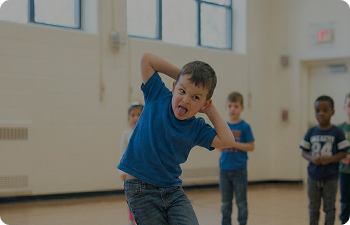
Instrument required for the movement of dance.
Body parts: upper body, lower body, whole body, head, shoulder, back, tail, arm, leg, foot, hand, torso, hip, elbow, neck, wrist, knee, spine, ankle, right side, left side, waist, ear, heel, toe, nose, chin
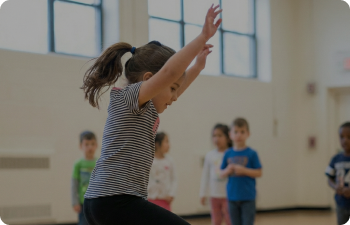
Movement included in the act of dancing.
Locomotor (moves through space): walk, run, leap, jump, hop, gallop, prance, skip, slide, roll, crawl, skitter, scoot, cartwheel, somersault
Axial (stays in on place): stretch, bend, shake, sink, push, pull, poke, bounce, twist, slash, kick, jab, freeze, spin, turn, carve, spoke, collapse, swing, sway, clap, squeeze, swipe, slice
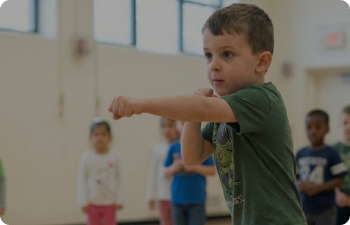
Quality that describes how the dancer moves
Degrees of energy (force): strong, weak, heavy, light, bound, free, active, passive
Energy qualities: smooth, sustained, loose, collapse, weightless, suspend, shudder, vibrate, sharp, percussive, explode, swing
Contrasting energies: prickly, airy, lazy, timid, tired, proud, angry, sluggish, excited, droopy, floppy, rough, jagged
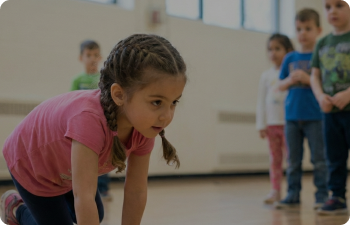
Personal, general, and performance area used by the dancer.
Shape: straight, bent, angular, crooked, twisted, curved, symmetrical, asymmetrical
Level: high, low, middle
Size: huge, tiny, narrow, wide
Pathways: straight, curved, zigzag
Focus: direct, indirect
Direction & Relationship: up, down, side, forward, backward, diagonal, toward etc.
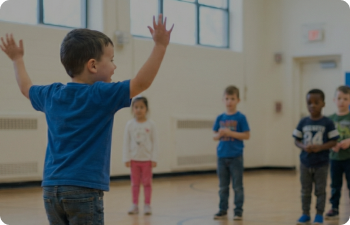
Duration that describes when a body moves or holds still
Metric rhythm: beat, no beat, meter, accent, tempo note value, rhythm, syncopation, acceleration, deceleration
Rhapsodic Rhythm: non-metric, breath rhythm, wind, water
Dance can be performed: to the beat, in silence, with music playing, musical instruments, singing or speaking
Dance in the Elementary Classroom
Dive deeper into dance and how to effectively integrate it in your classroom