Music Integration Lessons
Choose a subject to find a lesson that integrates literary arts.
Music & Math
Johnny Works with One Hammer
For example, in this lesson the teacher would:
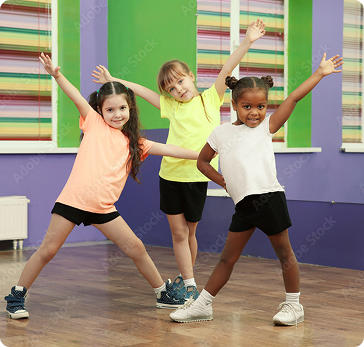
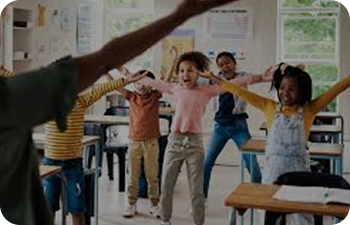
- Sing and play the song in a circle while students add body movements with each verse to keep a steady beat
- Introduce the drum and mallet, modeling safe instrument use and sound differences
- Invite students to take turns playing the drum while singing
- Gradually add more students to the drum each verse to reinforce rhythm and counting
- End by emphasizing space, numbers, and teamwork before students return to their seats
Hundreds of free lessons to get started today!
Top Lesson Plans

Why Music?
"Music enhances the education of our children by helping them to make connections and broadening the depth with which they think and feel. If we are to hope for a society of culturally literate people, music must be a vital part of our children's education."
—Yo-Yo Ma
- Elevates student academic achievement
- Supports social and emotional growth
- Strengthens memory and long-term learning retention
- Promotes motor development and physical maturation
- Deepens the mind–body connection
- Builds confidence while developing essential 21st-century skills
Basic Music Skills
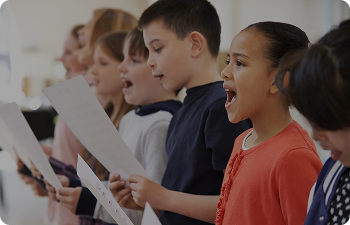
- Differentiate between singing voice and speaking voice
- Explore range of high and low pitches
- Sing on pitch and with good tone

Respond to patterns of same and different in music
Listen for tempo, dynamics, and timbre to understand the composer’s intent
Recognize repeated or contrasting phrases and identify the piece’s form
Analyze musical elements and connect music to personal, societal, and cultural contexts
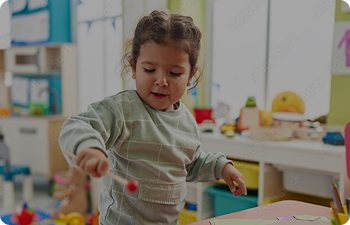
Feel and move to a steady beat, distinguishing strong and weak beats
Practice beat accuracy and rhythmic patterns in 2, 3, or 4
Explore sound, silence, tempo, and dynamics through body percussion and instruments
Play rhythms solo and with others to build performance skills
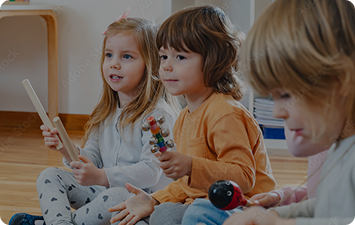
Play on non-pitched and pitched instruments
Compose, improvise, & apply musical elements to create music
Create vocal characterizations as part of a story or song
Create new words and rhymes for favorite classroom songs
Create simple beat & rhythm patterns
Create simple iconic representation of beat, meter, rhythm and pitch
Create simple rhythmic patterns
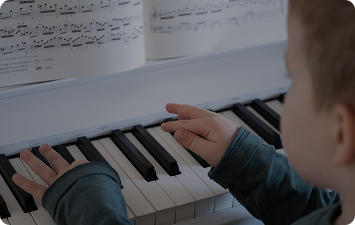
- Explore a variety of icons representing pitch, duration, and form
- Understand the relationship between beat and rhythm
- Use traditional and iconic notation as a means of reading and performing music
- Use Curwen hand signs
Music in the Elementary Classroom
Dive deeper into music and how to effectively integrate it in your classroom.